New Year, Healthier Smile: 10 Simple Dental Habits to Start in 2026
January 22, 2026 9:00 amA new year often means fresh intentions, new routines, and a sense that this year will be different. If better dental health is on your list for 2026, that’s a great place to start. You don’t need a big transformation — just a few habits you can actually stick with.
At Edgewood Family Dentistry in Anderson, IN, Dr. Mallory Kuiper helps patients focus on easy, practical ways to protect teeth and gums through the year. These aren’t complicated changes — they’re simple habits that, when done consistently, make your smile stronger, more comfortable, and less likely to surprise you with problems down the road.
Here are 10 simple dental habits you can begin right now to support a healthy smile all year long.
1. Brush the Right Way — With Purpose
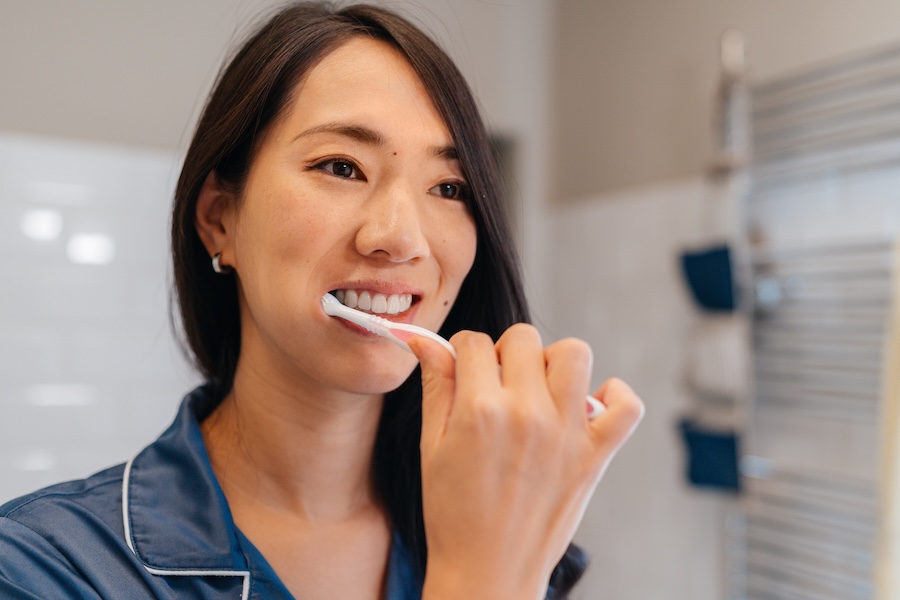
Brushing twice a day is baseline — but how you brush matters just as much as that you brush. Set aside a full two minutes each time and pay attention to your technique: gentle, circular motions that sweep along the gumline as well as the tooth surfaces. This helps remove plaque before it hardens and irritates your gums.
No need to rush — think of brushing as care, not a task to check off.
2. Floss Daily, Even if It Feels Awkward at First
Flossing reaches the tight spaces where a toothbrush can’t — and that’s where a lot of plaque likes to hide. Starting this habit early in the year gives your gums a chance to feel calm and steady rather than irritated.
If traditional floss feels tricky, try floss picks or a water flosser. The tool doesn’t matter as much as doing it regularly.
3. Drink Water Throughout the Day
Water does more than quench thirst. It naturally rinses away sugars and acids after meals, supports saliva flow, and helps the mouth keep its balance. If your day feels dry or you reach for sugary drinks often, water can be a simple reset.
A glass of water after meals — especially when you can’t brush right away — is a small habit that pays off.
4. Pay Attention to Early Signs of Gum Irritation
Bleeding, puffiness, or sensitivity at the gumline aren’t “normal,” even though they’re common. When gums show those signs consistently, it means they’re reacting to plaque buildup or mild irritation.
Make a habit of noting how your gums feel after brushing or flossing — it helps you catch patterns early, when simple steps can make a difference.
5. Use a Toothpaste That Fits Your Smile Needs
Not all toothpaste serves the same purpose. If you struggle with sensitivity, look for formulas designed to soothe nerves. If you want fluoride support for enamel strength, make sure your choice includes it. Most adults benefit from a fluoride toothpaste — it helps teeth resist early decay.
Choosing the right toothpaste is an easy way to tailor your routine without complexity.
6. Swap Sugary Snacks for Smile‑Friendly Alternatives
It’s not about eliminating treats — it’s about choosing moments and pairing them wisely. Sugary or sticky foods feed decay‑causing bacteria if they linger on teeth all day. Pairing sweets with meals instead of grazing on them all afternoon, or rinsing with water afterward, reduces how long teeth are exposed to sugar.
Small switches — cheese, crunchy veggies, nuts — keep your mouth feeling balanced without taking away the foods you enjoy.
7. Rinse After Meals When You Can’t Brush
Not every meal comes with a toothbrush, and that’s okay. A quick rinse with water after eating helps clear lingering food particles and acids, especially after snacks or coffee. It’s a simple step that gives your daily oral environment a reset between brushings.
8. Keep Hydration and Saliva Flowing
Saliva is your mouth’s natural defense: it rinses debris, buffers acids, and delivers minerals that support enamel strength. Staying hydrated throughout the day helps saliva do its job. If your mouth feels dry — especially in the mornings or later in the day — mention it during your visit. Dry mouth can contribute to sensitivity and decay if left unmanaged.
9. Notice How Your Bite Feels
Jaw tension, grinding at night, or soreness around the back teeth are more common than many people realize. These things affect more than comfort; they influence how teeth wear and can contribute to sensitivity or chips over time.
If you notice tension, especially in the morning, or if your bite feels uneven, it’s worth bringing up at your next check‑in so we can address it early with a custom nightguard.
10. Schedule Regular Check‑Ins — Even Before Something Hurts
Pain is a late signal. The earlier changes are spotted, the smaller and simpler the solutions tend to be. Regular exams and cleanings give your dental team a chance to catch early enamel softening, gum irritation, or tiny spots of decay before they become bigger concerns.
And here’s a practical tip: dental offices often book months ahead, so if you know your schedule for the year — work, school, vacations — you can call now to reserve a spot that fits your rhythm.
Why These Habits Matter in 2026 — and Beyond
Good dental habits aren’t dramatic — they’re consistent. And they don’t require perfection. They require awareness, repetition, and small adjustments that protect what you have today.
By focusing on clear brushing, attentive flossing, hydration, nutrition choices, and regular check‑ins, you’re building a foundation that keeps your smile comfortable and resilient. Over time, these simple daily practices make a measurable difference in how your teeth feel, how your gums respond, and how you approach dental care with confidence.
New Year, Healthier Smile — From Edgewood Family Dentistry in Anderson, IN
If you’re ready to set intentions for your oral health in 2026 — not as a list of chores, but as a sequence of small, doable habits — Dr. Mallory Kuiper and the team at Edgewood Family Dentistry are here to partner with you. We can help you fine‑tune your routine, answer questions about symptoms or products, and support you in making choices that feel right for your life and your smile.
Categorised in: Dental Tips, Gum Health, Oral Health