
How Dental Crowns Protect Weak or Damaged Teeth
May 19, 2026 9:00 amA tooth can look mostly normal and still be one hard bite away from breaking. That is often the tricky part with weakened teeth. You may not see the crack, the old filling may not look like a problem, and the tooth may only bother you once in a while when you chew. Then your dentist recommends a crown, and it can feel like a bigger step than you expected.
In many cases, the recommendation comes down to support. A filling works well when there is enough healthy tooth structure left to hold it. However, when a tooth has a large filling, a crack, deep decay, heavy wear, or damage from grinding, it may need more protection than a filling can provide. A dental crown covers the tooth and helps hold the remaining structure together, so it can handle everyday chewing more reliably.
At Edgewood Family Dentistry in Anderson, IN, Dr. Mallory Kuiper helps patients understand when a dental crown makes sense and how it can protect a weak or damaged tooth. The goal is to prevent further breakage when possible, restore comfortable chewing, and help the tooth last longer.
What a Dental Crown Is
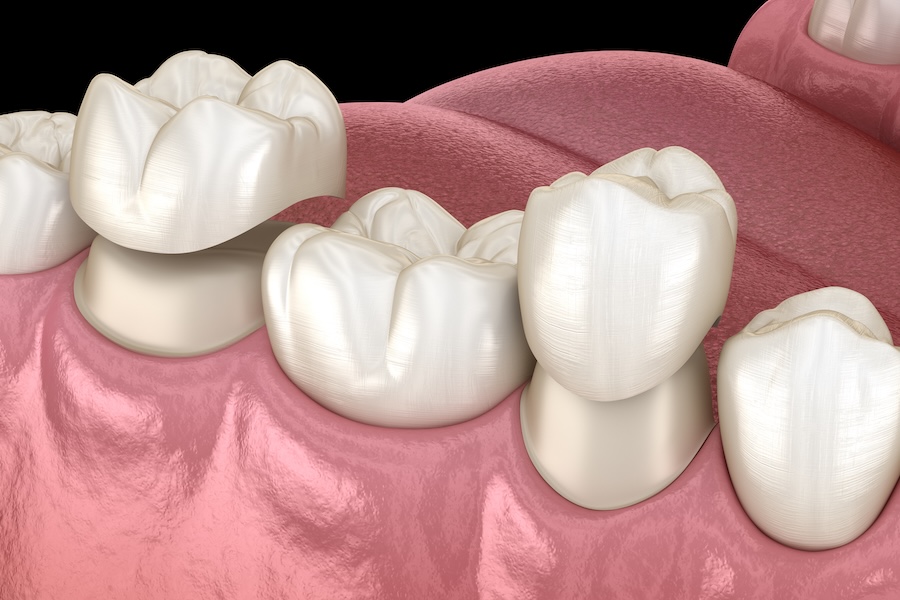
A dental crown is a custom-made restoration that fits over a tooth like a protective cover. It is shaped to look and function like a natural tooth, while helping reinforce the structure underneath. Crowns are often used when a tooth has more damage than a standard filling can reliably repair.
Crowns can be made from different materials, including porcelain, ceramic, zirconia, metal, or a combination of materials. The best choice depends on the tooth’s location, your bite, cosmetic goals, and the amount of strength needed. For front teeth, appearance may be a bigger concern. For back teeth, durability under chewing pressure often matters more.
A crown does not make the tooth impossible to damage, but it does help reduce the risk of further fracture when the tooth is properly planned and cared for. It protects the visible part of the tooth, restores a more natural shape, and allows you to chew more comfortably.
Before recommending a crown, your dentist will evaluate the tooth, surrounding gums, bite, and any existing dental work. That exam helps determine whether a crown is the right choice or whether another option would be more appropriate.
When a Tooth Is Too Weak for a Filling
Fillings work well when the damaged area is smaller and enough healthy tooth structure remains around it. A filling repairs the missing portion of the tooth, but it relies on the surrounding tooth for support. If the tooth is already weakened, adding another filling may not hold up well.
This often happens when a tooth has had several fillings over time. Each time decay or old filling material is removed, less natural tooth remains. Eventually, the tooth may be more filling than tooth, especially in back molars that handle heavy chewing pressure.
Large fillings can also leave thin walls of tooth structure behind. Those thin areas may crack or break when you bite down. If the tooth breaks below the gumline or into the root, treatment can become more complicated.
A crown may be recommended when the tooth needs more coverage and support than a filling can provide. Instead of filling one section, the crown helps hold the remaining tooth together and protects it from daily chewing forces.
How Crowns Help Protect Cracked Teeth
Cracked teeth can be frustrating because they may not hurt all the time. You might feel a sharp pain when biting into something firm, then feel fine a few minutes later. The crack may be too small to see at home, but it can still weaken the tooth.
A crown can help protect certain cracked teeth by covering the tooth and reducing the stress placed on the cracked area. This can make chewing more comfortable and lower the chance that the crack spreads further.
The type and depth of the crack matter. A small crack in the outer tooth structure may be manageable with a crown. However, if a crack extends deep below the gumline or into the root, the tooth may not be savable with a crown alone.
That is why bite pain or suspected cracks should be checked early. If a cracked tooth is treated before the damage spreads, a crown may help preserve it and prevent a more serious break.
Crowns After Root Canal Treatment
Many teeth need crowns after root canal treatment, especially back teeth. A root canal removes infected or inflamed tissue from inside the tooth, but the tooth still needs protection afterward. If the tooth had deep decay, a large filling, or significant structural loss before the root canal, it may be more likely to crack without a crown.
Back teeth handle a lot of chewing pressure. After a root canal, a filling alone may not provide enough long-term strength for a molar or premolar. A crown can cover the tooth and help distribute chewing forces more evenly.
This does not mean every root canal-treated tooth always needs the same restoration. Front teeth may sometimes need only a filling if there is enough healthy structure left. However, for many back teeth, a crown is often the stronger option.
Dr. Mallory Kuiper can explain why a crown may be recommended after a root canal and what type of restoration would best protect the tooth based on its location and condition.
Crowns for Teeth With Large Cavities
A cavity starts small, but it can spread through the tooth if it is not treated. When decay becomes large, removing it may leave the tooth with very little structure remaining. In that case, a filling may not be strong enough to restore the tooth predictably.
A crown can be used after the decay is removed to protect the remaining tooth structure. It restores the tooth’s shape and gives it a stronger biting surface. This is especially helpful for molars and premolars, which have to handle pressure from chewing.
If the cavity reaches the nerve, root canal treatment may be needed before the crown is placed. If the cavity is too deep or extends below the gumline, other treatment may be necessary. The right plan depends on how much healthy tooth is left after decay is removed.
The earlier a cavity is treated, the more conservative the repair can often be. However, when a cavity has already weakened a tooth, a crown may help save it from further breakdown.
Crowns Can Restore Teeth Worn Down by Grinding
Teeth grinding and clenching can wear teeth down gradually. Some patients notice shorter teeth, flattened edges, jaw soreness, headaches, or sensitivity. Others do not realize they grind until their dentist points out the wear during an exam.
When teeth lose too much enamel, they may become weaker and more sensitive. A crown can rebuild a worn tooth and protect it from further damage. It can also restore a more natural tooth shape, which may improve chewing comfort.
However, if grinding is still happening, the crown needs protection too. A nightguard may be recommended to reduce stress on the teeth and dental restorations. Without addressing the grinding habit, crowns may be at risk of chipping, cracking, or wearing sooner.
For patients with significant wear, treatment planning may involve looking at the whole bite rather than one tooth alone. Dr. Mallory Kuiper can evaluate whether a crown, nightguard, bite adjustment, or other care would best support long-term results.
Crowns Can Improve Chewing Comfort
A weak or damaged tooth can change the way you chew. You may avoid one side of your mouth, chew more slowly, or steer clear of certain foods because a tooth feels tender or unreliable. Over time, that can place extra pressure on other teeth.
A crown can restore the tooth’s shape and strength, making it easier to chew comfortably again. Because it is custom-made, the crown is designed to fit your bite and work with the surrounding teeth.
If a tooth has a cracked edge, worn surface, large filling, or weakened structure, a crown can help create a more stable chewing surface. This can make everyday eating feel more normal and less cautious.
After a crown is placed, it may take a short time for the bite to feel completely settled. If the crown feels too high or uncomfortable when chewing, it should be adjusted. A well-fitted crown should feel natural and comfortable.
Crowns Help Protect the Tooth From Further Breakage
One of the main reasons dentists recommend crowns is to prevent a damaged tooth from breaking further. A tooth with cracks, a large filling, or thin remaining walls may not have enough strength to handle daily chewing.
If a tooth breaks in a small way, it may still be repairable. If it breaks deeply, especially below the gumline, the treatment options may become more limited. In some cases, a tooth that could have been crowned earlier may eventually need to be removed if it fractures too far.
A crown helps by covering and reinforcing the tooth. It spreads chewing pressure across the restoration rather than leaving weak areas exposed. While no restoration lasts forever, a crown can provide the protection a vulnerable tooth needs.
This is why a crown may be recommended before you feel major pain. The goal is often to prevent the break that has not happened yet, but is becoming more likely.
What to Expect When Getting a Dental Crown
The crown process usually begins with an exam and X-rays. Your dentist will check the tooth, surrounding bone, gums, and existing dental work. If a crown is recommended, the tooth is prepared so the crown can fit properly.
After preparation, impressions or digital scans are taken so the crown can be custom-made. A temporary crown may be placed to protect the tooth while the final crown is being created. During this time, you will need to be careful with sticky or very hard foods that could loosen the temporary crown.
At the final visit, the permanent crown is checked for fit, bite, and appearance before it is bonded or cemented into place. Your dentist will make sure it feels comfortable when you bite down.
Some mild tenderness can happen after crown preparation, especially if the tooth was already irritated. However, discomfort should improve. If your bite feels off or pain continues, call the office so the crown can be checked.
How Long Dental Crowns Can Last
Dental crowns can last many years, but their lifespan depends on several factors. The crown material, tooth location, bite pressure, oral hygiene, grinding habits, and the health of the tooth underneath all play a role.
A crown can protect the visible part of the tooth, but the tooth still needs daily care. Decay can form at the edge where the crown meets the natural tooth. Gum health also matters because inflammation or recession can affect the area around the crown.
Brushing twice a day, flossing around the crown, keeping up with cleanings, and wearing a nightguard if recommended can all help extend the life of a crown. Avoiding habits like chewing ice or using teeth as tools also helps reduce the risk of damage.
During routine exams at Edgewood Family Dentistry, Dr. Mallory Kuiper can check the crown margins, bite, and surrounding gums to make sure the restoration is still working well.
Signs a Tooth May Need a Crown
You may need a crown if a tooth has a large filling, repeated filling repairs, a visible crack, pain when biting, a large cavity, or significant wear from grinding. A tooth that feels weak or unreliable when chewing should also be evaluated.
Other signs include a broken cusp, a tooth that has had a root canal, or a tooth with damage that affects more than one surface. Sometimes your dentist may recommend a crown even before symptoms appear if the tooth is at high risk of breaking.
It is also possible to need a crown to replace an old restoration that is failing. If an older crown or large filling has gaps, decay, cracks, or poor fit, treatment may be needed to protect the tooth underneath.
If you are unsure why a crown has been recommended, ask your dentist to show you what they are seeing. Many patients understand the need more clearly when they can see the crack, large filling, or weakened area on an X-ray or photo.
Dental Crown Care in Anderson, IN at Edgewood Family Dentistry
Dental crowns protect weak or damaged teeth by covering the tooth, restoring strength, and helping prevent further breakage. They can be especially helpful for cracked teeth, large cavities, worn teeth, and teeth that have had root canal treatment.
At Edgewood Family Dentistry in Anderson, IN, Dr. Mallory Kuiper helps patients understand when a crown is the right choice and what to expect from treatment. The goal is to preserve the natural tooth when possible and restore comfortable, reliable function.
If you have a cracked tooth, a large filling, bite pain, or a tooth that feels weak when you chew, schedule a visit with Edgewood Family Dentistry. A careful exam can help determine whether a dental crown can protect the tooth and keep your smile healthy.
FAQs
How does a dental crown protect a weak tooth? A dental crown covers the tooth and helps hold the remaining structure together. It creates a stronger outer surface for chewing and can reduce the risk of further cracking or breakage.
When is a crown better than a filling? A crown may be better when a tooth has a large cavity, a large existing filling, a crack, significant wear, or not enough healthy structure left to support another filling. Fillings work best when the damaged area is smaller.
Do I need a crown after a root canal? Many back teeth need crowns after root canal treatment because they handle heavy chewing pressure and may be more likely to crack. Front teeth may not always need crowns, depending on how much tooth structure remains.
How long do dental crowns last? Dental crowns can last many years with good care. Their lifespan depends on oral hygiene, bite pressure, grinding habits, crown material, and the health of the tooth underneath.
Can a crowned tooth still get a cavity? Yes, decay can form at the edge where the crown meets the natural tooth. Brushing, flossing, and regular dental visits are important for protecting the tooth under the crown.
What should I do if my crown feels high or uncomfortable? Call your dentist if your crown feels too high, painful, or uncomfortable when chewing. A small bite adjustment may be needed so the crown fits comfortably with the rest of your teeth.
Categorised in: Restorative Dentistry