Oral Cancer Screenings in Anderson: Why This Quick Exam Matters at Your Checkup
April 20, 2026 9:00 amToward the end of your appointment, Dr. Mallory Kuiper may spend a few extra minutes looking at areas that don’t seem directly related to your teeth.
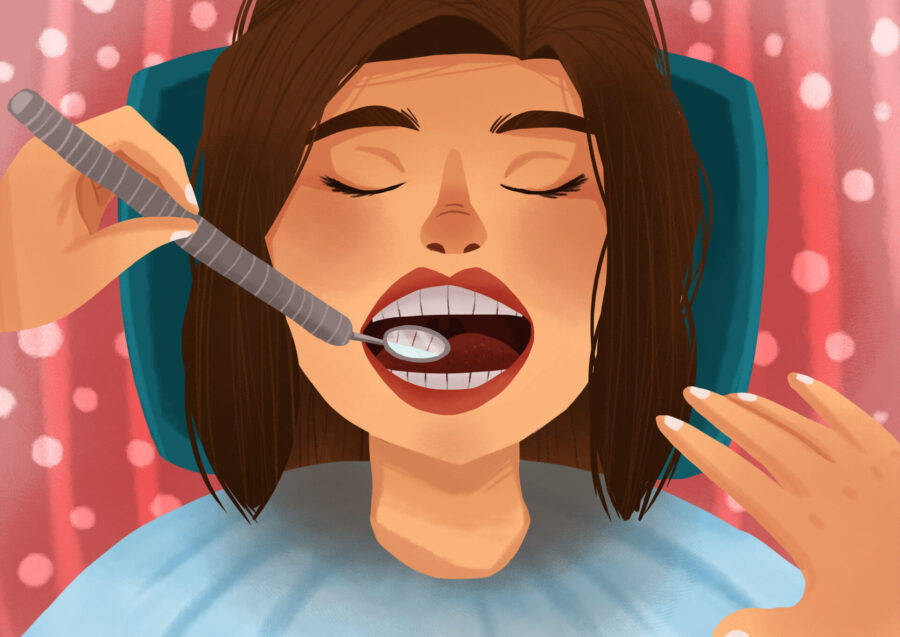
She’ll check along your tongue, the inside of your cheeks, and under your jaw, sometimes asking you to move your mouth or adjust your head slightly. It doesn’t feel like a separate procedure, and there’s no change in pace or equipment, so it often blends in with everything else happening during the exam.
What’s happening in that moment is an oral cancer screening. It’s a routine part of your visit, but it focuses on tissues that aren’t always easy to see or evaluate on your own, especially in areas toward the back of the mouth or along the sides of the tongue.
What an Oral Cancer Screening Involves
An oral cancer screening is a close visual and physical exam of the soft tissues in your mouth and surrounding areas. This includes your tongue, gums, cheeks, and the roof and floor of your mouth. Dr. Kuiper may also gently feel along your jawline and neck to check for any swelling, firmness, or asymmetry that wouldn’t be visible just by looking.
There’s nothing invasive about the process, and it doesn’t require any preparation before your visit. It’s built into your routine exam so these areas are checked regularly, rather than only when something becomes uncomfortable or noticeable. Most patients don’t realize how thorough this part of the exam is because it’s done quietly and efficiently.
Why This Part of the Visit Matters
The challenge with changes in the mouth is that they don’t always cause symptoms right away. A small patch of tissue, a sore that lingers, or an area that looks slightly different can be easy to dismiss, especially if it doesn’t interfere with eating or speaking.
Because of that, it’s common for people to wait longer than they should before bringing something up. Having this screening built into every checkup creates a consistent way to monitor those areas, even when nothing feels wrong. It allows your dentist to notice small differences early, before they have a chance to develop into something more serious.
What Dr. Kuiper Is Looking For During the Exam
During the screening, attention is given to patterns and changes rather than one specific sign. Healthy tissue tends to have a consistent color and texture, so anything that stands out—whether it’s a red or white patch, a thickened area, or a sore that hasn’t healed—gets a closer look.
Dr. Kuiper is also paying attention to how the tissue feels. Areas that are firm, raised, or different from the surrounding tissue can provide important clues, even if they aren’t obvious visually. In most cases, these findings turn out to be minor, but identifying them early helps determine whether they need to be monitored or rechecked.
If Something Needs to Be Rechecked
If an area doesn’t look typical, the next step is usually to give it a little time and then look again. An intraoral photo may be taken so there’s a clear reference point, and you may be asked to return in a couple of weeks.
This approach helps separate temporary irritation from something that needs more attention. It’s not unusual for small areas to improve on their own, especially if they were caused by something like biting your cheek, irritation from food, or even a sharp edge on a tooth.
If the area hasn’t changed by the follow-up visit, or if it still raises questions, a biopsy may be recommended. That step is simply about getting a clear answer so you’re not left wondering what’s going on.
When It’s Worth Bringing Something Up
Even though this screening happens at every visit, it’s still helpful to mention anything that’s felt different.
If you’ve noticed a sore that hasn’t healed, a rough patch, or an area that just doesn’t feel quite right for more than a couple of weeks, pointing it out gives your dentist a place to focus. These details don’t need to be precise—just mentioning that something has changed is enough to guide a closer look.
In many cases, patients bring up things that turn out to be minor, but having them checked removes the guesswork and gives you a clear answer.
Why Regular Visits Make This More Effective
Seeing your dentist regularly makes it easier to recognize small changes over time. When there’s a record of what your oral tissues looked like at previous visits, it becomes much clearer whether something is new or has been stable.
Without that consistency, it’s harder to know what’s normal for you. Regular checkups allow these screenings to do what they’re meant to do—track changes early and make decisions based on how things evolve, rather than reacting later when something becomes more noticeable.
Oral Cancer Screenings in Anderson, IN at Edgewood Family Dentistry
At Edgewood Family Dentistry in Anderson, IN, Dr. Mallory Kuiper includes oral cancer screenings as part of every comprehensive exam, taking the time to evaluate soft tissue along with your teeth and gums.
If you’ve noticed a spot that hasn’t gone away or it’s been a while since your last visit, it’s worth having it checked. A comprehensive dental exam is a simple way to stay on top of your oral health and address concerns early, before they become more involved.
Image from Authority Dental under CC 2.0
Categorised in: Oral Cancer Screening