Dental Bridges in Anderson: How They Replace a Missing Tooth and Protect Your Bite
August 19, 2026 9:00 amA missing tooth can change more than the way your smile looks. You may find yourself chewing on the other side, fishing food out of the gap after meals, or noticing that the space seems a little different than it did a year ago. Meanwhile, the teeth around that opening can slowly shift, which can change where pressure lands when you bite.
At Edgewood Family Dentistry in Anderson, IN, Dr. Mallory Kuiper uses dental bridges to replace missing teeth when the surrounding teeth and bite can support them well. A bridge fills the gap with a replacement tooth that is held in place by the teeth beside it. For the right patient, that can restore a more complete bite without requiring a removable appliance.
What a Dental Bridge Actually Does
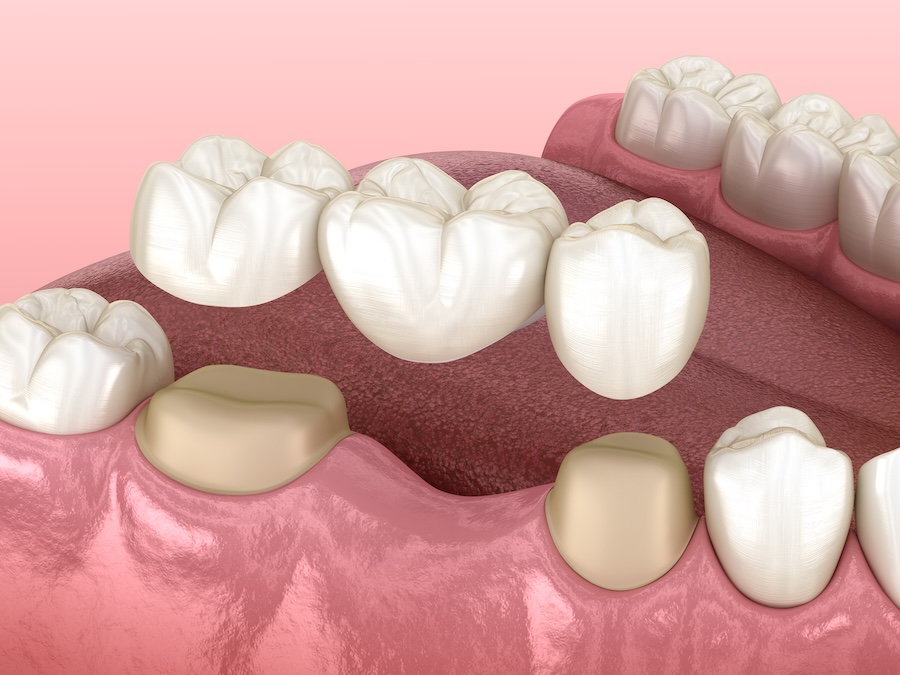
A traditional dental bridge usually replaces one missing tooth by using the teeth on either side for support. Those neighboring teeth are covered with crowns, and the replacement tooth is connected between them. Once the bridge is cemented into place, it stays in your mouth and functions as part of your bite.
If you have been avoiding that side while you chew, the bridge gives you something to bite against again. That can make everyday eating feel more balanced, especially if the missing tooth is a premolar or molar. Over time, many people realize how much they had been compensating without really thinking about it.
The bridge also fills a space that nearby teeth might otherwise drift into. So, while replacing the tooth helps with chewing and appearance, it can also help preserve the spacing around that part of your mouth. That is one reason Dr. Kuiper looks beyond the gap itself when deciding whether a bridge is a good option.
Why the Teeth Around a Gap Can Start to Move
Teeth do not sit in isolation. They normally touch the teeth beside them, and they also meet the teeth above or below when you bite. When one tooth is removed, those contacts change.
Over time, a neighboring tooth may begin tipping into the open space. The tooth above or below it can also start moving because it no longer has the same opposing contact. None of this usually happens fast enough to watch in the mirror, but months and years can add up.
Floss may start catching differently between two teeth, food may wedge into a spot that never used to bother you, or your bite may start feeling less even. Dr. Kuiper can compare those changes with what she sees during the exam. That helps her see how much the surrounding teeth have moved and whether a bridge can restore the space comfortably.
Chewing on One Side Can Become a Habit
If you are missing a back tooth, you may start shifting tougher foods to the other side almost automatically. Steak, nuts, crusty bread, or anything else that needs a firmer bite tends to go where chewing feels easier. After a while, you may not notice you are doing it unless someone points it out.
A bridge can give that missing area a working surface again. Instead of avoiding the gap or catching food there, you can use that side more normally. Meals can feel less fussy when you are not moving every tougher bite to the same side.
Once the bridge is in place, Dr. Kuiper also checks how it meets the opposing teeth. If one spot feels too high, it can become noticeable pretty quickly after the numbness wears off. A small adjustment can even out that contact before the area gets sore.
The Neighboring Teeth Need to Be Strong Enough
A traditional bridge relies on the teeth beside the gap, so those teeth need to be in good enough shape to support it. If they already have large fillings or need crowns, using them as bridge supports may fit well with the care they need anyway. On the other hand, if both neighboring teeth are healthy and untouched, Dr. Kuiper may also talk with you about another way to replace the missing tooth.
The gums and bone around those teeth also need to be stable. They will carry normal chewing pressure once the bridge is in place, so decay, cracks, or significant gum disease need to be addressed first. X-rays can also show how the roots and supporting bone look beneath the gums.
Dr. Kuiper will look at how much healthy tooth structure remains, how those roots are supported, and what kind of pressure lands in that part of your bite. If the neighboring teeth can support the bridge well, treatment can move forward. If one of them is already compromised, another replacement option may protect the remaining teeth better.
What Bridge Treatment Feels Like From the Patient Side
For a traditional bridge, the teeth beside the gap need to be shaped so crowns can fit over them. After that, a scan or impression is taken so the bridge can be made to fit the space, neighboring teeth, and bite. While the final bridge is being made, a temporary restoration usually covers the area.
The temporary does its job, but sticky candy and very hard foods are better saved for later. Temporary cement is meant to hold the restoration during this part of treatment, not handle everything the permanent bridge will. If caramel is a regular favorite, give it a short break until the final bridge is in place.
When the permanent bridge is ready, Dr. Kuiper checks how it fits before it is cemented. She looks at the contact with the neighboring teeth and how the bridge meets the opposite side when you bite. Once those contacts are even, the bridge is secured in place.
The New Bridge May Feel Noticeable at First
Your tongue is very good at finding anything new in your mouth. So, if there has been an open space for a while, you may keep running your tongue over the bridge for the first few days without even realizing it. As the new shape becomes familiar, you tend to notice it less.
The supporting teeth can also feel mildly sensitive for a short time, especially with cold drinks. Since those teeth were prepared for crowns, some temporary sensitivity can happen after treatment. You should notice it settling rather than becoming stronger as the days pass.
Your bite should also feel even once the numbness is gone. If the bridge seems to meet before the rest of your teeth every time you close, call the office. Dr. Kuiper can check that contact and adjust it if needed.
A Bridge Can Help Keep the Space From Closing In
Once the bridge fills the gap, the teeth on either side have contact beside them again. That helps limit further drifting into the open space. The tooth above or below also has something to meet when you bite.
If the missing tooth has been gone for a while, Dr. Kuiper will check how much movement has already happened. Sometimes there is still plenty of room for a bridge, while other spaces have narrowed because a neighboring tooth has tipped inward. The opposing tooth may have moved farther into the space as well.
Even when a tooth has been missing for years, the area may still be treatable with a bridge. Dr. Kuiper can measure the available space and check the position of the surrounding teeth. If the gap has changed too much, she can explain what would need to happen before replacing the tooth.
Front Teeth and Back Teeth Bring Different Concerns
When a front tooth is missing, appearance is hard to ignore. A bridge can fill the gap, match the shade of the surrounding teeth, and restore the shape of the smile. It also needs to feel comfortable when you speak and bite.
With a missing molar or premolar, chewing tends to be what you notice most. You may favor the other side, avoid tougher foods in that area, or keep dealing with food catching in the space. A premolar can also show when you laugh or smile from the side, so appearance may still be part of the picture.
When planning the bridge, Dr. Kuiper looks at the neighboring teeth, the amount of space, the shade, and how the replacement tooth will meet your bite. The bridge needs to look natural in the smile while also holding up to everyday chewing. Both parts are considered before the restoration is made.
Cleaning a Bridge Is a Little Different
Because the crowns and replacement tooth are connected, regular floss does not pass straight down between every part of the bridge. However, plaque and food can still collect underneath the replacement tooth and around the crown edges. That area still needs daily cleaning.
Floss threaders, bridge floss, small interdental brushes, or a water flosser can all work depending on the shape of the space. Some people prefer a water flosser, while others are more comfortable with threader floss. The hygiene team can show you how to get underneath the bridge without turning the process into a nightly struggle.
The supporting teeth also need regular brushing around the gumline. Decay can still develop at the edges of the crowns if plaque stays there long enough. Keeping those areas clean helps protect the teeth the bridge relies on.
Food Can Still Get Under a Bridge
Small pieces of food can sometimes get under a bridge, especially seeds, shredded meat, or fibrous vegetables. That does not automatically mean anything is wrong with the restoration. Usually, cleaning underneath after the meal takes care of it.
You may prefer a water flosser after dinner and bridge floss before bed, or you may stick with one method. Once you learn where to guide it, cleaning underneath becomes quicker. Dr. Kuiper or the hygiene team can also show you where food tends to collect around your particular bridge.
If food suddenly starts getting trapped much more often, mention it. The gum tissue may have changed, or a contact around the bridge may need to be checked. Repeatedly digging at the same spot after every meal gets old fast, and there may be a reason it keeps happening.
How Long a Bridge Lasts Depends on the Teeth Supporting It
A bridge can last for many years, but the teeth underneath the supporting crowns still need regular care. The restoration can feel solid while decay or gum inflammation develops around the edges. So, brushing, cleaning underneath, and routine dental visits all stay part of caring for it.
Grinding and clenching can also put extra force on the bridge. If you already have flattened teeth, chipped dental work, or morning jaw soreness, Dr. Kuiper may recommend a nightguard. That can reduce some of the repeated pressure reaching the bridge while you sleep.
Routine visits also give us a chance to check the bite, gums, and crown edges. New sensitivity, food trapping, or a bridge that suddenly feels different should be mentioned. Those changes can point to something that needs a closer look before it becomes more involved.
A Bridge and an Implant Solve the Same Problem Differently
Both a dental bridge and a dental implant can replace a missing tooth, but they use different support. A bridge relies on the teeth beside the gap, while an implant is supported by a post placed in the jawbone. Because of that, the treatment process and the effect on neighboring teeth are different.
A bridge may fit well when the adjacent teeth already need crowns. It can also be completed without implant surgery or a period of healing around an implant. An implant, however, can replace the missing tooth without shaping the teeth beside the gap for crowns.
Dr. Kuiper can compare the two based on the condition of your teeth, gums, bone, and bite. Your medical history and the location of the missing tooth also factor into the choice. In some mouths, one option has a clear advantage, while in others there may be more than one good path forward.
A Long-Standing Gap Can Still Be Treatable
If a tooth has been missing for several years, that does not automatically rule out a bridge. However, the teeth around the space may have shifted, and the gum tissue may have changed shape. Because of that, the opening may be narrower or shaped differently than it was when the tooth was removed.
Sometimes there is still plenty of room to replace the tooth. Other times, one neighboring tooth has tipped into the gap or the opposing tooth has moved farther into the space. Those changes affect the size and shape of the restoration that can fit there.
Dr. Kuiper can check how much room remains and whether the neighboring teeth can support a bridge. If the space has narrowed too much, she can explain whether another treatment would need to come first. If there is still enough room, the bridge can be planned around the current position of the teeth.
When a Bridge May Not Be the Right Choice
A bridge needs healthy support on both sides. If one of those teeth has severe decay, a deep crack, or significant bone loss, asking it to carry a bridge may put too much stress on an already weakened tooth. In that situation, the tooth may need treatment first, or another replacement may be a better choice.
The number of missing teeth also affects whether a bridge can work well. Replacing one tooth places different demands on the supporting teeth than spanning several missing teeth in a row. A longer bridge means those support teeth have more chewing force to carry.
Dr. Kuiper will look at the teeth beside the space, their roots, the surrounding bone, and the way your bite lands there. If those teeth are not strong enough to support the bridge, she can explain the other ways the space may be restored. That avoids placing a restoration on teeth that are already struggling.
What Dr. Kuiper Looks at Before Recommending a Bridge
Dr. Mallory Kuiper will examine the missing space, the teeth beside it, and the way your upper and lower teeth meet. She will also look for large fillings, cracks, decay, existing crowns, and signs of wear. X-rays may be used to see the roots and the bone supporting those teeth.
She will also want to know what you have noticed outside the dental office. Maybe you are tired of chewing on one side, food keeps getting stuck, or the gap has started bothering you more in photos. Those details help connect what you are dealing with day to day with what she sees during the exam.
If a bridge fits the area well, Dr. Kuiper can explain how the neighboring teeth would be prepared and what the treatment would involve. If an implant or another option makes more sense, she can compare those choices with you. The recommendation comes down to how the space, support teeth, gums, bone, and bite look together.
Dental Bridges at Edgewood Family Dentistry in Anderson, IN
If you have been chewing around a missing tooth, dealing with food getting stuck in the same gap, or noticing that the space has changed, come see us at Edgewood Family Dentistry in Anderson, IN. Dr. Mallory Kuiper can evaluate the supporting teeth, your bite, and the open space to see whether a dental bridge is a good option. She can also compare other tooth replacement choices if there is more than one way to restore the area.
Living with a missing tooth often means making small adjustments throughout the day, especially while eating. A bridge can give you back more chewing surface while helping the surrounding teeth stay in position. Call Edgewood Family Dentistry in Anderson, IN, to schedule a visit with Dr. Mallory Kuiper—we’d be glad to help you replace the missing tooth with an option that works comfortably with your bite!
Categorised in: Dental Bridges, Restorative Dentistry